Skip to content

Communication Trends in 2026: Clear Messaging Wins

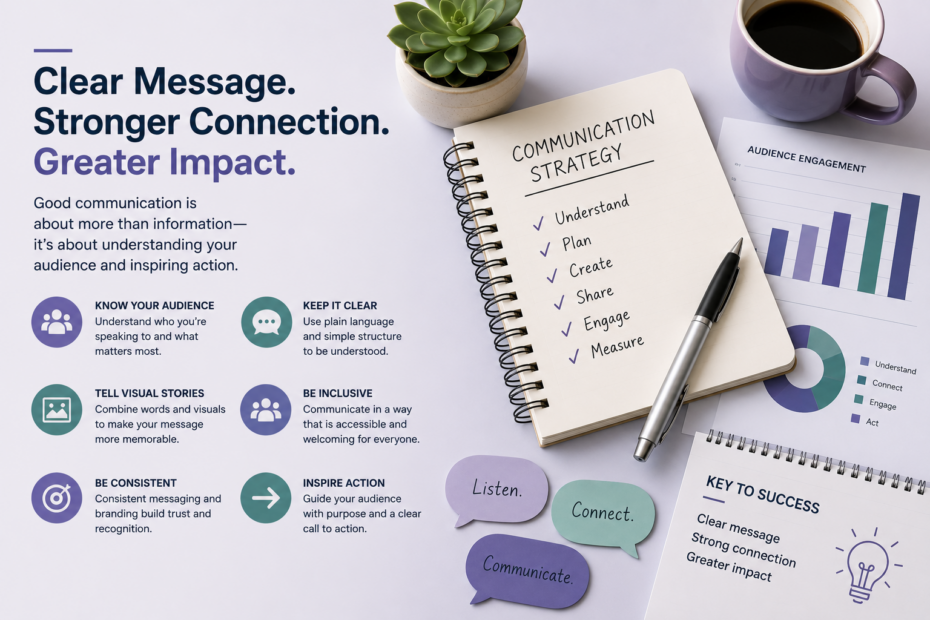
Communication trends are constantly evolving, but one thing is becoming increasingly clear in 2026 — audiences are paying more attention to clarity than complexity. Organizations are shifting away from overly formal, jargon-heavy messaging and moving toward communication that feels more direct, human, and easy to understand. Why? Because people are overwhelmed with information. Whether it … Read more
Why More Teams Are Investing in Templates and Workflow Systems

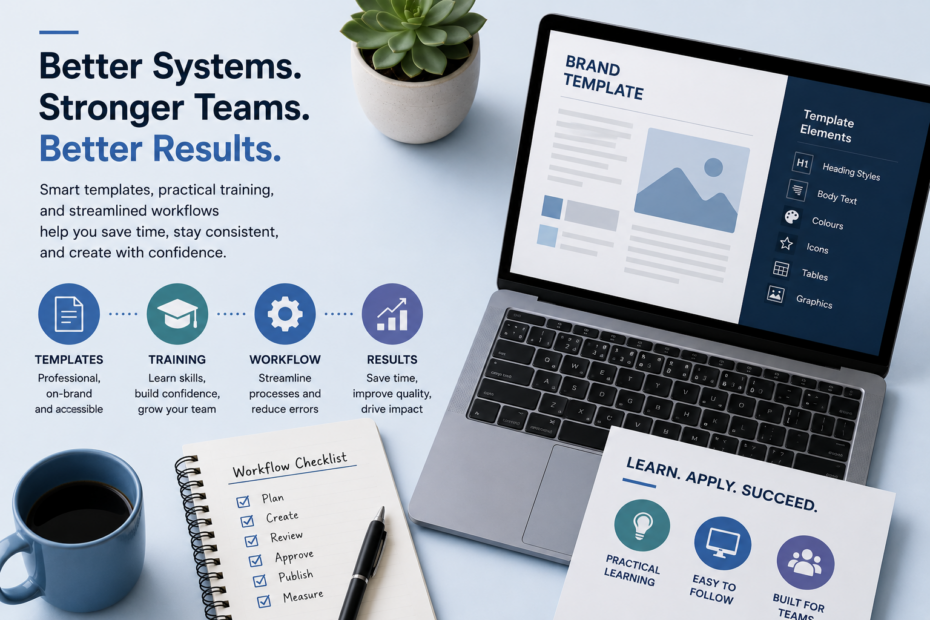
One of the fastest ways organizations improve efficiency is not by working harder — it is by creating better systems. Templates, brand guides, and structured workflows are becoming essential tools for communication teams managing multiple projects, contributors, and deadlines. In 2026, organizations are increasingly looking for ways to create consistent content across print, digital, and … Read more

Accessibility Is Becoming a Standard — Not an Add-On

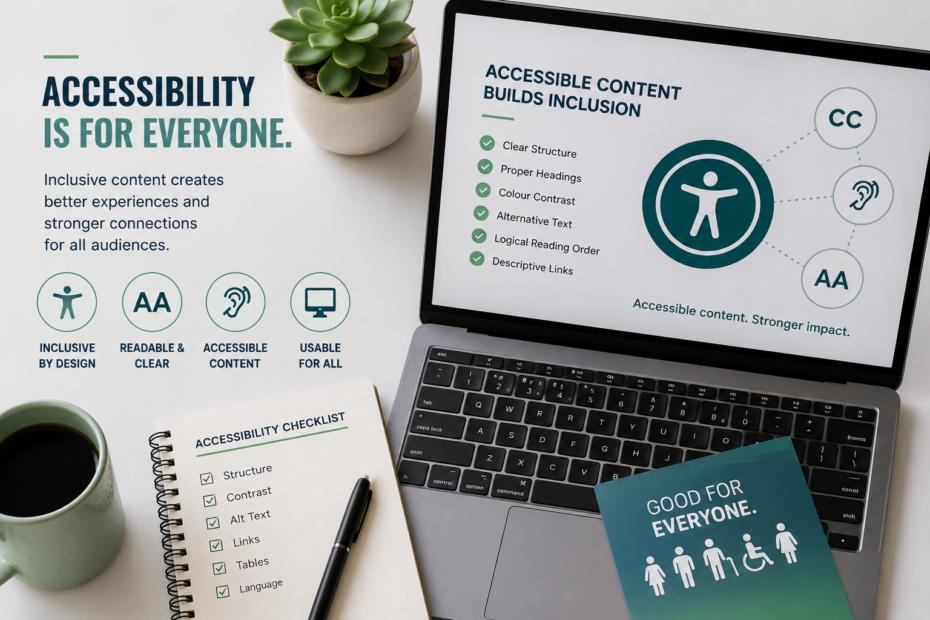
Accessibility conversations have changed significantly over the last few years. What was once considered a specialized requirement is now becoming a standard expectation across publishing, communications, and digital content creation. Organizations are increasingly recognizing that accessible documents benefit everyone — not just users with disabilities. Clear structure, readable layouts, proper heading hierarchy, descriptive links, sufficient … Read more

Why Clean Design Matters More Than Ever in 2026

In a world overloaded with information, strong visual communication is no longer just about looking professional — it is about helping people understand information quickly and clearly. One of the biggest design trends in 2026 is the move toward “clarity-first” publishing. Organizations are simplifying layouts, reducing clutter, and focusing on readability across both print and … Read more

Contains graphic illustration of a computer on a desktop with the words "The Blog" wrote across it.

AODA Industry News

Accessibility and AODA (Accessibility for Ontarians with Disabilities Act) These developments highlight the ongoing efforts to enhance accessibility and ensure inclusivity across various sectors. Staying informed and proactive about compliance can help organizations meet their obligations under AODA and contribute to a more accessible society.

Contains graphic illustration of a computer on a desktop with the words "The Blog" wrote across it.

3 Reasons Why You Should Care About GAAD

The primary goal of Global Accessibility Awareness Day (GAAD) is to raise awareness about digital accessibility and inclusion. The emphasis is on initiating conversations and encouraging people to recognize the importance of accessibility in promoting the inclusion of over 1 billion people with disabilities worldwide. I. Access to Content The primary goal of the Internet … Read more

Contains graphic illustration of a computer on a desktop with the words "The Blog" wrote across it.

Global Accessibility Awareness Day 2024: Embracing Inclusivity

Global Accessibility Awareness Day (GAAD) on May 16th, 2024, reminds us of the vital need for digital access and inclusion for over one billion people worldwide living with disabilities. This annual event, observed on the third Thursday of May, underscores the importance of ensuring equitable participation in the digital realm. In a world increasingly reliant … Read more

Contains graphic illustration of a computer on a desktop with the words "The Blog" wrote across it.

Business benefits to adhering to digital accessibility standards.

Implementing practices that adhere to accessibility standards such as AODA (Accessibility for Ontarians with Disabilities Act), WCAG 2.1-AA (Web Content Accessibility Guidelines), PDF/UA (PDF/Universal Accessibility), and Section 508 of the Rehabilitation Act can bring numerous benefits to both businesses and society as a whole. Here’s a breakdown of these advantages: 4. Reduced Risk: Accessibility measures … Read more

Contains graphic illustration of a computer on a desktop with the words "The Blog" wrote across it.

What is WCAG 2.1 (Web Content Accessibility Guidelines 2.1)?

WCAG 2.1 is an international set of guidelines developed by the Web Accessibility Initiative (WAI) of the World Wide Web Consortium (W3C). These guidelines provide recommendations for making web content more accessible to people with disabilities, including those with visual, auditory, cognitive, and motor impairments. WCAG 2.1 builds upon its predecessor, WCAG 2.0, and includes … Read more